
Manlifts have become indispensable tools in construction, maintenance, and industrial projects across the UAE. Whether you’re working on a high-rise building, repairing infrastructure, or performing routine facility maintenance, manlifts provide safe and efficient access to elevated areas. However, the convenience of renting a manlift comes with the responsibility of following strict safety guidelines.
Understanding and implementing manlift safety practices is not just a regulatory requirement; it’s a life-saving measure. From daily inspections to proper operation and post-use maintenance, every operator must adhere to established protocols. This article explores manlift rental safety guidelines every operator should know, helping businesses and operators minimize risks while ensuring productivity.
1. Understanding Manlifts
Before operating a manlift, it is essential to understand what a manlift is and how it differs from other aerial equipment.
1.1 What is a Manlift?
A manlift is a type of aerial work platform (AWP) designed to safely lift workers to elevated positions. Unlike scaffolding, manlifts are mobile, versatile, and can reach heights quickly with minimal setup.
1.2 Types of Manlifts
Telescopic Boom Lifts: Straight extendable arm, ideal for reaching high, straight areas.
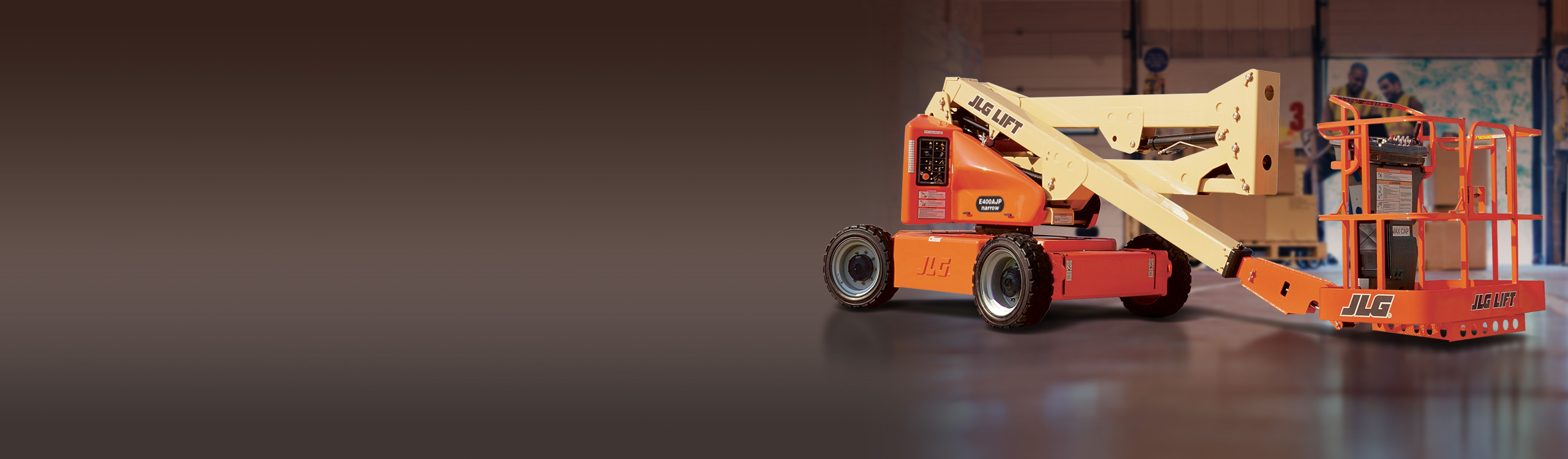
Articulated Boom Lifts: Multi-section arm allowing for navigating obstacles.
Vertical Mast Lifts: Compact, vertical lifts suitable for tight spaces.
1.3 Why Safety Matters
Manlift accidents can result in severe injuries or fatalities. Most accidents occur due to operator error, equipment malfunction, or environmental hazards. Following safety guidelines protects both personnel and equipment.
Keywords used: manlift rental, aerial work platform safety, manlift safety guidelines
Internal Link Suggestion:
Explore our full range of manlift rentals
2. Pre-Operation Safety Checks
Proper inspection before using a manlift can prevent the majority of accidents.
2.1 Daily Inspection Checklist
Operators should conduct a thorough inspection before every use:
Hydraulic system: Check for leaks or damage.
Guardrails and platform: Ensure they are secure and undamaged.
Emergency controls: Test all stop and descent functions.
Tires and outriggers: Check stability and tire pressure.
Operational manual: Ensure the manual is accessible on-site.
2.2 Operator Responsibilities
Verify equipment is suitable for the specific task.
Check environmental conditions (wind, surface stability, overhead hazards).
Report any defects to the rental provider immediately.
3. Proper Manlift Operation
Safe operation is a combination of training, attention to detail, and adherence to guidelines.
3.1 Step-by-Step Operation Tips
Pre-start checks: Confirm inspection is complete.
Load capacity: Never exceed the manlift’s rated capacity.
Positioning: Place the lift on a firm, level surface. Use outriggers if applicable.
Stabilization: Lock brakes and outriggers before raising the platform.
Avoid hazards: Keep clear of overhead power lines and unstable surfaces.
3.2 Operator Training Requirements
Only certified operators should operate a manlift.
Training should include hazard recognition, emergency response, and platform control.
Operators should refresh training annually or per UAE safety regulations.
4. Common Hazards and How to Avoid Them
Understanding hazards is critical for preventing accidents.
4.1 Overloading
Exceeding the lift’s weight limit can lead to tip-overs. Always check the maximum load before use.
4.2 Tip-Overs
Uneven terrain, improper positioning, and sudden movements increase the risk of tip-overs. Use outriggers and always operate on firm surfaces.
4.3 Electrical Hazards
Contact with live wires can be fatal. Maintain a safe distance from power lines and always assume they are live.
4.4 Weather Conditions
Strong winds, rain, or icy surfaces make manlift operation dangerous. Operators should avoid using lifts in adverse weather conditions.
5. Maintenance & Post-Use Safety
Proper maintenance ensures longevity and safe operation of rental manlifts.
5.1 Cleaning and Inspection
Remove dirt and debris from the platform and base.
Inspect hydraulic hoses, control panels, and tires for wear or damage.
5.2 Reporting Issues
Immediately report malfunctions to the rental company.
Do not attempt to repair unless certified to do so.
5.3 Record Keeping
Maintain logs of inspections and maintenance for regulatory compliance and insurance purposes.
6. Legal & Compliance Considerations
Operators and businesses must comply with UAE regulations regarding manlift usage.
Operator Certification: Only trained personnel may operate manlifts.
Equipment Compliance: Ensure the rental company provides inspected, certified equipment.
Workplace Safety Standards: Follow OSHA or UAE Ministry of Labor guidelines for aerial lifts.
7. Tips for Safe Manlift Rentals
Choose the correct type and height of lift for your project.
Always rent from reputable companies that maintain and inspect their equipment.
Review the manufacturer’s manual and safety guidelines.
Avoid improvising solutions; follow standard safety protocols.
Schedule regular refresher training for operators.
Book your safe manlift rental today
8. Frequently Asked Questions (FAQ)
Q1: What is the safest way to operate a rented manlift?
A: Always conduct pre-use inspections, follow the manufacturer’s manual, stay within load limits, and operate on stable surfaces. Certified operators should never bypass safety protocols.
Q2: How often should a manlift be inspected?
A: Daily inspections are required before each use, with comprehensive maintenance checks conducted monthly or as recommended by the manufacturer.
Q3: Can untrained operators rent a manlift in the UAE?
A: No. Only certified operators are legally allowed to operate manlifts to ensure safety compliance and prevent accidents.
Q4: What is the difference between a scissor lift and a manlift in terms of safety?
A: Scissor lifts move vertically only, while manlifts can extend horizontally. This requires additional caution regarding positioning, tip-over risks, and navigation around obstacles.
Q5: What are the legal requirements for manlift rentals in UAE?
A: Operators must be trained and certified, equipment must be inspected and compliant, and safety measures must align with OSHA and UAE Ministry of Labor guidelines.
Conclusion
Renting a manlift provides unparalleled efficiency for construction and maintenance projects, but safety must never be compromised. By following manlift rental safety guidelines, performing inspections, undergoing proper training, and adhering to UAE regulations, operators can significantly reduce risks and ensure smooth project execution.
Always prioritize safety, choose reputable rental providers, and invest in operator training to maximize productivity while protecting your team and equipment.

