
Choosing the right scissor lift for your project is critical for safety, efficiency, and cost-effectiveness. Whether you’re working on a construction site, performing maintenance, or handling industrial tasks, understanding a scissor lift’s load capacity ensures that you don’t risk overloading the platform or compromising safety.
Scissor lifts are versatile aerial work platforms (AWPs) that allow workers to reach heights safely while handling materials, tools, and equipment. However, selecting the wrong lift can lead to project delays, accidents, or equipment damage.
If you are in the UAE, our scissor lift rental options provide flexible solutions for projects of all sizes, helping you choose the right lift for your needs.
What is a Scissor Lift?
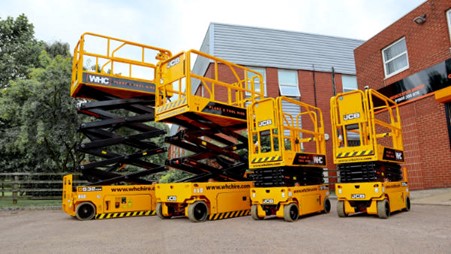
A scissor lift is a type of aerial work platform that moves vertically using a crisscrossing metal support structure, known as a scissor mechanism. Unlike boom lifts, scissor lifts only move up and down, offering a stable and spacious platform for workers and materials.
Common Uses of Scissor Lifts
Construction: Installing windows, ceilings, or electrical wiring at heights.
Maintenance: Cleaning, painting, or repairs in commercial buildings.
Warehousing & Industrial: Stock picking, equipment installation, and inspection tasks.
Types of Scissor Lifts
Electric Scissor Lifts: Ideal for indoor use; quieter and zero emissions.
Diesel Scissor Lifts: Suitable for outdoor and rugged terrain; more power for heavy loads.
Rough Terrain Scissor Lifts: Equipped with reinforced tires for uneven surfaces.
Understanding Scissor Lift Load Capacity
Load capacity refers to the maximum weight a scissor lift platform can safely carry, including workers, tools, and materials. Understanding this is crucial to prevent overloading, tip-overs, or structural damage.
Key Components of Load Capacity
Platform Capacity: Maximum load the platform can hold.
Maximum Working Load (MWL): Total weight including attachments or additional equipment.
Weight Distribution: Uneven loading can reduce safe capacity.
Factors Affecting Load Capacity
Number of workers on the platform.
Weight of tools and materials.
Lift type and design (electric vs diesel).
Types of Scissor Lifts by Load Capacity
Choosing a lift depends on your project’s load requirements. Here’s a breakdown:
1. Low-Capacity Scissor Lifts (<500 kg)
Designed for light maintenance or indoor tasks.
Ideal for painting, ceiling repairs, and small material handling.
Most electric lifts fall into this category.
2. Medium-Capacity Scissor Lifts (500–1000 kg)
Suitable for industrial applications like warehouses or mid-sized construction.
Can accommodate 2–3 workers with tools.
3. Heavy-Duty Scissor Lifts (>1000 kg)
Designed for construction sites, heavy equipment handling, or multiple operators.
Often diesel-powered or rough-terrain compatible.
How to Choose the Right Scissor Lift for Your Project
Selecting the right scissor lift requires careful evaluation of your project needs:
1. Assess Load Requirements
Calculate total weight: personnel + equipment + materials.
Ensure platform capacity meets or exceeds this weight.
2. Consider Working Height
Determine the maximum height needed for the task.
Match it with the scissor lift’s maximum platform height.
3. Compare Electric vs Diesel
Electric: indoor, quieter, zero emissions.
Diesel: outdoor, rough terrain, heavy-duty projects.
4. Terrain Compatibility
Smooth floors: standard electric lifts suffice.
Uneven or outdoor terrain: rough-terrain diesel lifts are recommended.
Safety Considerations and Regulations
Safety is a top priority when operating scissor lifts. Following regulations and best practices protects your team and your project.
1. Regulatory Compliance
In the UAE, operators must follow local health and safety standards.
Refer to OSHA aerial work platform guidelines.
2. Load Distribution Safety Tips
Avoid overloading one side of the platform.
Distribute tools and materials evenly.
3. Operator Training
Ensure all operators are trained and certified.
Regular safety drills and inspections are essential.
Scissor Lift Maintenance Tips
Maintaining your scissor lift extends its lifespan and ensures safe operation:
1. Regular Inspections
Check hydraulic systems, tires, and mechanical parts.
Look for cracks or wear in the scissor mechanism.
2. Load Testing
Perform routine load capacity tests to ensure safety compliance.
3. Battery / Diesel Maintenance
Electric lifts: monitor battery health and charging cycles.
Diesel lifts: check fuel, oil, and filters regularly.
Scissor Lift Rental in UAE: Benefits and Options
Renting a scissor lift provides several advantages over purchasing:
Cost-Effective: No large upfront investment.
Flexibility: Rent for the duration of your project.
Variety: Choose the right model based on load capacity and height.
Frequently Asked Questions (FAQs)
1. What is the maximum load a scissor lift can carry?
Load capacities vary from 200 kg to over 1,500 kg depending on the model. Always check the platform capacity before use.
2. Can I operate a scissor lift outdoors?
Yes, but you should use diesel or rough-terrain models designed for uneven surfaces.
3. How often should scissor lifts be inspected?
Perform daily pre-use inspections and more thorough maintenance monthly or as recommended by the manufacturer.
4. What factors determine the right scissor lift for my project?
Consider load capacity, working height, terrain, and project duration.
5. Is rental better than purchase for short-term projects?
Yes, rental offers flexibility, lower costs, and access to a variety of models.
Selecting the right scissor lift is essential for efficiency, safety, and project success. By understanding load capacity, working height, and terrain compatibility, you can choose the ideal model for your project.
For UAE-based projects, our scissor lift rental services provide flexible options tailored to your needs. Contact us today to ensure you have the right lift for your next project.